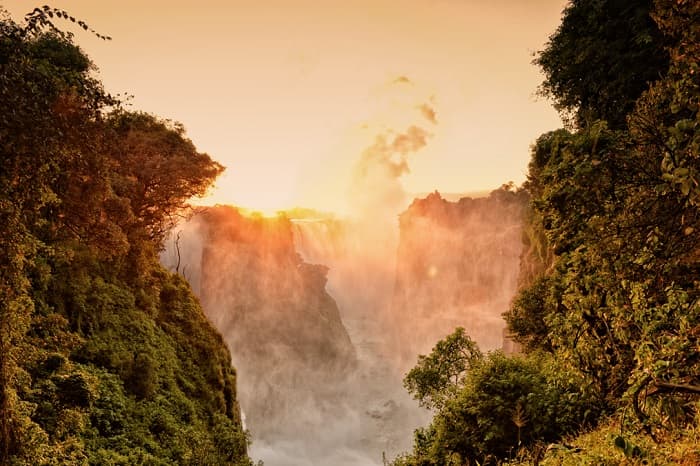
There are few places in Africa where you can wake up to the sound of a waterfall, walk to one of the Seven Natural Wonders of the World before breakfast, and spend the afternoon bungee jumping into a gorge, if that’s your thing. Did we say a few places? We meant to say one.
Victoria Falls has somehow managed to become one of the world’s great adventure destinations while remaining, at heart, a small Zimbabwean town, and we think that this combination is part of the magic.
The cliffs, the river, the rainforest and the bridge have created an almost perfect playground for Victoria Falls adventure activities. But the story of how that happened begins long before bungee cords, helicopters and white-water rafts arrived.
It begins with a bridge…
Traversing Batoka Gorge
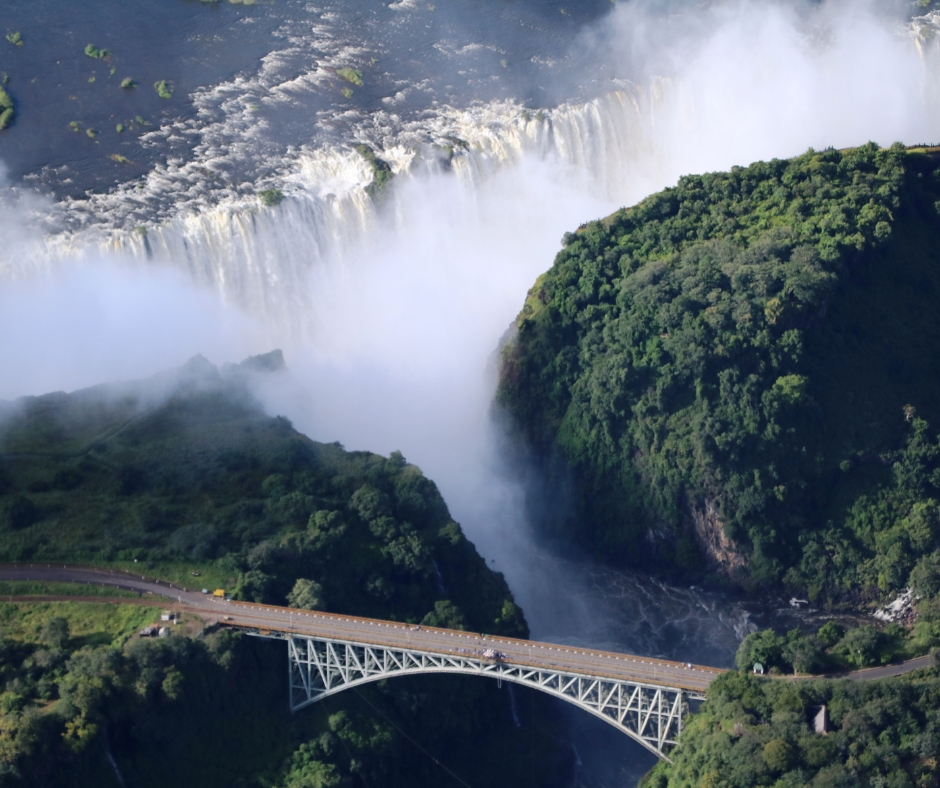
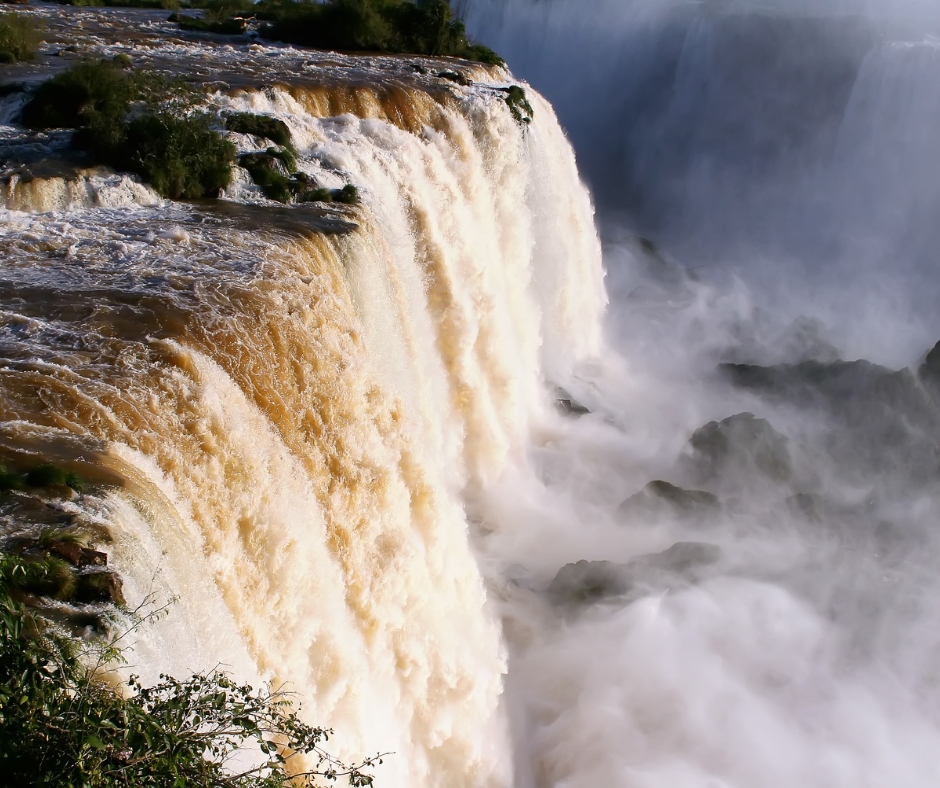
Looking down into the Batoka Gorge, it’s easy to understand why adventure took root here.
The Zambezi River has carved a dramatic passage through the basalt below the falls, creating sheer walls, narrow channels and a succession of pulse-spiking rapids. From the Cliff Path above, it looks almost impossible to reach. At river level, it is a completely different world: Rock, spray, current and an enormous amount of moving water.
At the Victoria Falls drop, the Zambezi is approximately 1,7km wide, depending on the time of year. Batoka Gorge is between 50m and 150m wide. The water is squeezed through the gorge, with more than 20 named rapids making this stretch of river famous among white-water paddlers.
In other words, we owe our legendary rapids to nothing less than geography and time – Mother Nature’s best trick!
The Bridge That Changed Everything
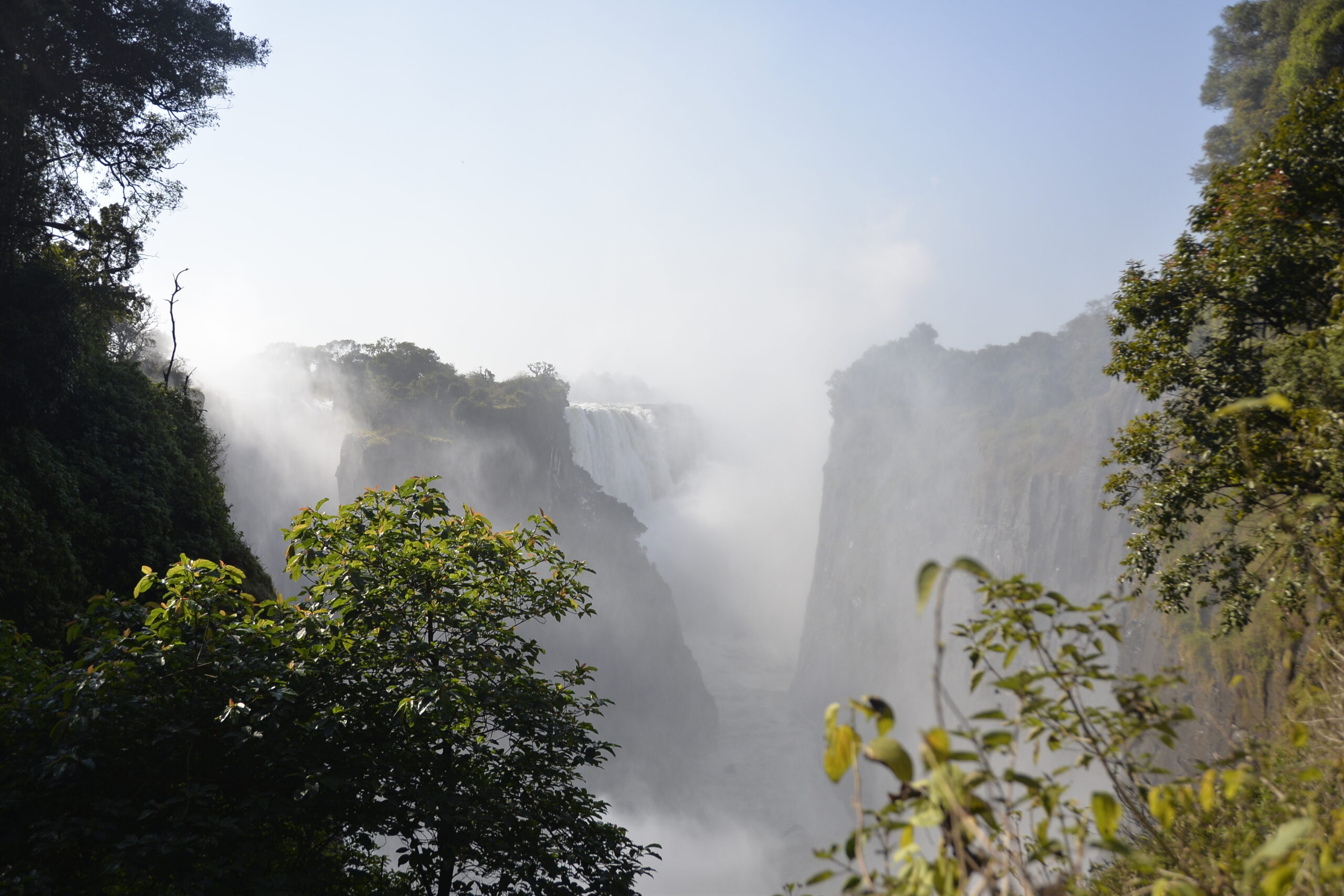
The next ingredient in our story is the Victoria Falls Bridge, which was completed and opened in 1905.
The bridge was conceived as part of Cecil Rhodes’s grand vision for a railway linking Cape Town to Cairo. Rhodes famously wanted the railway bridge positioned so that passing trains would catch the spray of the Falls. It so happened that he died before construction began and never saw the Victoria Falls Bridge for himself.
The finished bridge was built in sections in England, shipped to Mozambique and transported north by rail. When it opened on 12 September 1905, it stood 128m above the Zambezi and brought something the falls had never had in quite the same way before: tourists.
Before the railway, reaching Victoria Falls meant a long and difficult journey for explorers, missionaries and the particularly determined traveller. Afterwards, the Falls could be reached as part of a much more conventional journey. Hotels followed and the town grew.
More than a century later, that relationship between the railway, the bridge, the Falls and tourism still largely defines Victoria Falls.
At Ilala Lodge Hotel, that history is woven into the property itself. The teak furnishings in the rooms are made from Zimbabwean railway sleepers, a small reminder of the infrastructure that first connected Victoria Falls to the wider world.

Then Someone Looked at the Bridge and Thought: Let’s Jump Off It
For decades, the bridge was primarily what it had been designed to be: A remarkable feat of engineering and a way across the Zambezi.
Then, in the 1990s, someone saw something else.
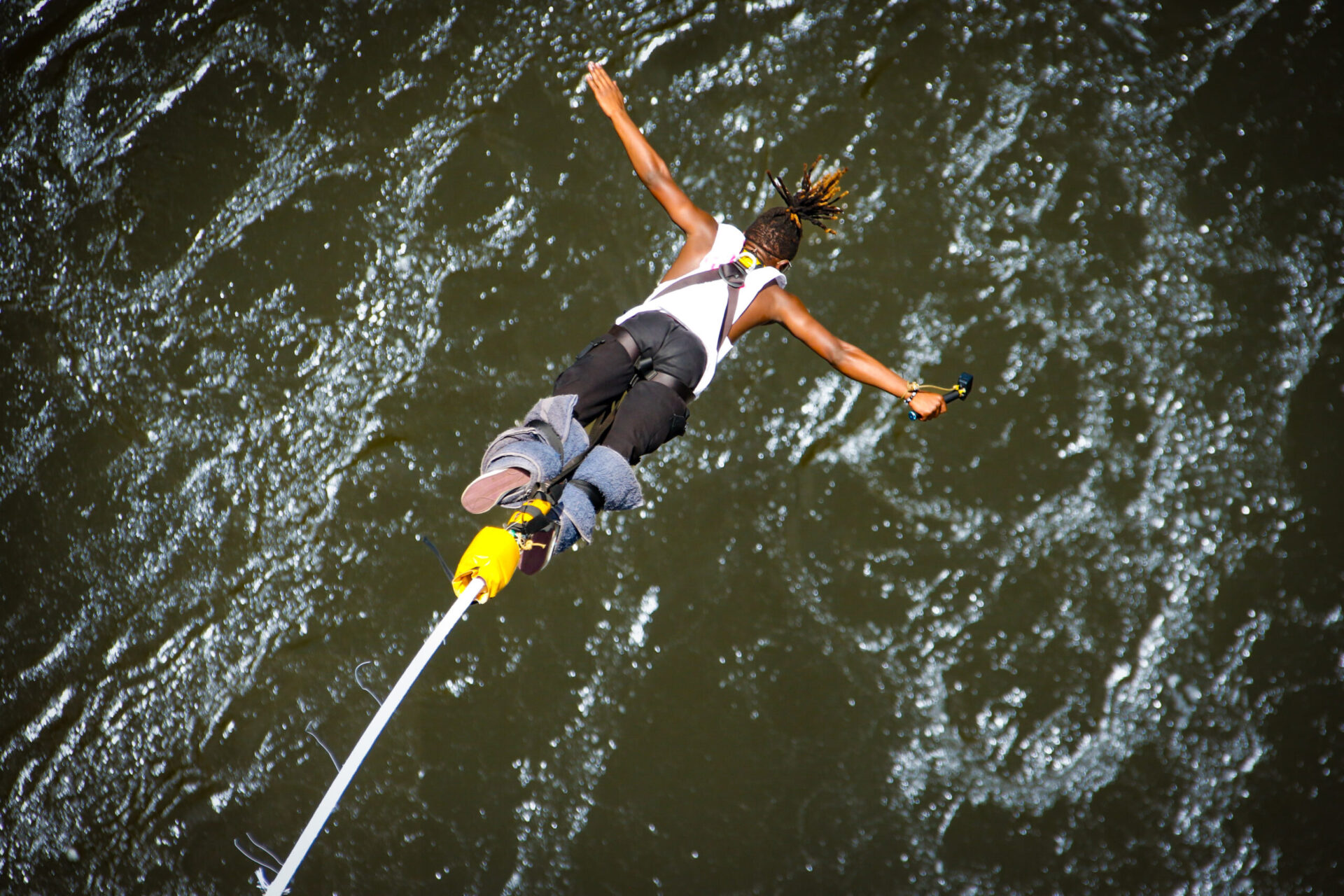
In 1994, bungee operations began at the Victoria Falls Bridge, turning one of the most famous pieces of infrastructure in southern Africa into an adventure attraction in its own right.
The jump was simple in concept and spectacular in execution: Step from the bridge and free-fall towards the Zambezi. It didn’t take long for word to spread. Victoria Falls already had one of the world’s great natural spectacles. Now it had something else that adventure travellers were looking for: A place where the landscape wasn’t just something to look at; it was something to launch yourself into.
And The River Followed
Bungee jumping was only the beginning.
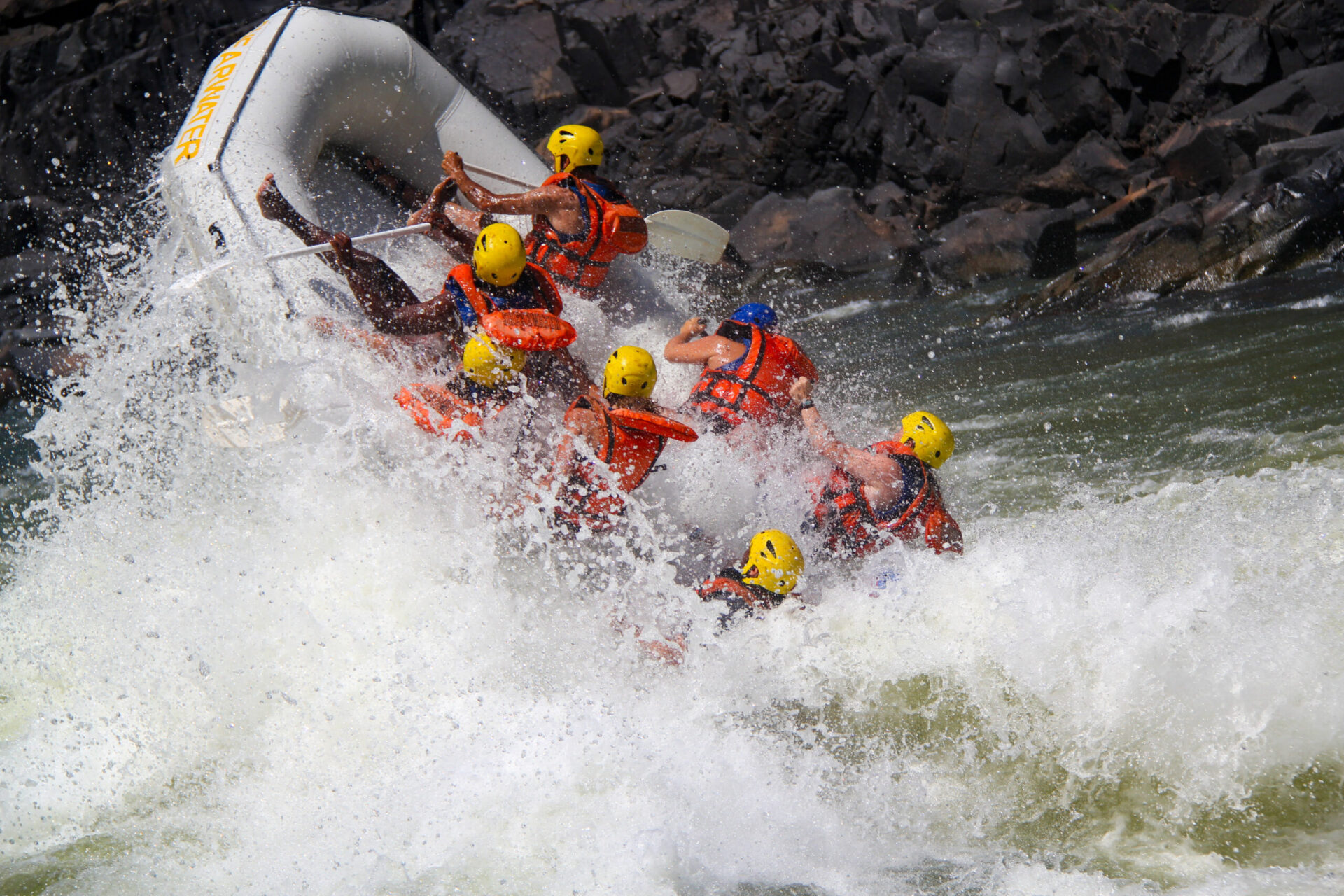
The Zambezi had long attracted experienced paddlers, but commercial rafting opened the river to a much wider audience. The rapids below Victoria Falls became one of the world’s best-known white-water adventures, combining demanding Grade 5 rapids with the extraordinary setting of the Batoka Gorge.
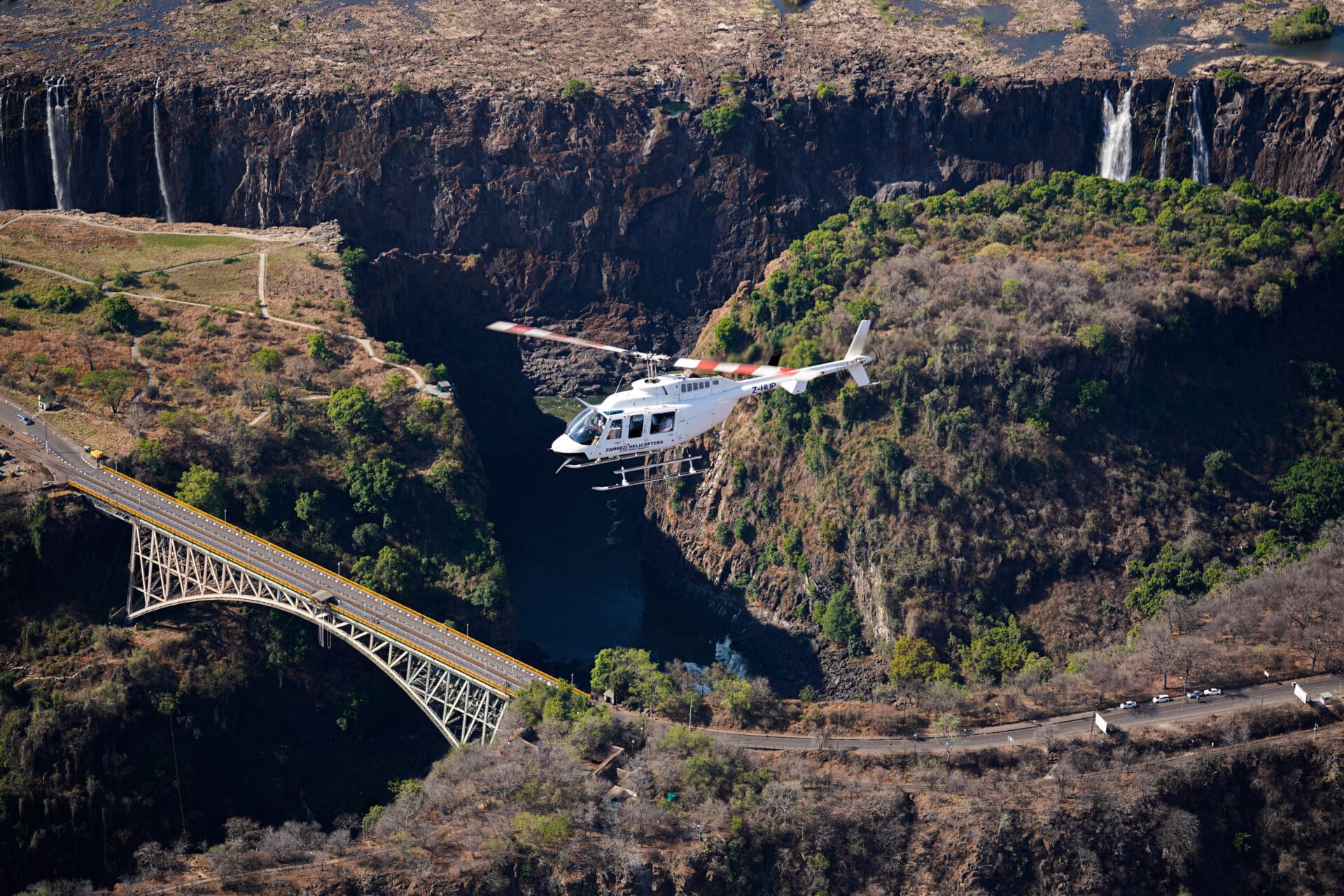
Then came the helicopters. The famous Flight of Angels offers a completely different perspective, lifting above the river and tracing the Falls from the air. From that height, the sheer scale of the landscape becomes clear: The rainforest, the Zambezi, the gorge and the curtain of spray that is often the first thing you notice from afar on land.
After that, the possibilities seemed almost endless: Gorge swings, zip lines, abseiling, bridge slides and microlight flights. Each activity uses the same relatively small piece of landscape, but offers visitors something completely different!
This is one of the great things about Victoria Falls – you don’t have to travel for hours between attractions. The bridge, river, gorge, Falls and national parks are all packed into the same extraordinary corner of Zimbabwe.
What Can You Actually Do in Victoria Falls?
Today, the list of things to do in Victoria Falls is surprisingly long for such a compact destination:
- You can start above the Falls, with a helicopter or microlight flight, and see the Zambezi spread out across the landscape before it disappears into the gorge.You can head to the Victoria Falls Bridge for a bungee jump, gorge swing, bridge slide or abseil.
- Or you can go down to the river itself. A full-day Zambezi rafting trip takes you through the gorge and its famous rapids, turning the river into the main event.
And then there are the adventures for those who’d like to take it easier:
- A cruise on the upper Zambezi is a beautiful and intimate way to take in the river. We recommend using our sister hotel’s Ra-Ikane River Cruisers for this activity.
- A game drive into Zambezi National Park can bring you close to elephants, buffalo, giraffes and, with luck, lions and leopards.
- And last but not least, there’s the rainforest walk along the Cliff Path of Victoria Falls itself.
Victoria Falls National Park is just a short walk from Ilala Lodge Hotel, and the Cliff Path takes you into the spray zone of the Falls. The closer you get, the wetter the forest becomes. Mist hangs in the air, vegetation thrives in the constant moisture and the sound of the Zambezi gets louder.
Witnessing the Falls is an adrenaline rush of another kind. Your pulse might not thunder from nerves, but from the awe-inspiring sight of Mother Nature’s might and beauty.

The Different Seasons
When you visit Victoria Falls matters. The season affects everything from the volume of water over the Falls to the accessibility of the gorge, the best time for white-water rafting, and wildlife viewing.
From May to October, the drier months bring more accessible gorge conditions, excellent game viewing as wildlife gathers around the Zambezi, and prime conditions for many adventure activities. From November to April, the rising water levels transform the Falls themselves, creating a spectacular curtain of spray and powerful flow.
Visit around the full moon between March and June, and you may also see a moonbow: A rainbow created when moonlight passes through the Falls’ mist.
Different seasons offer different reasons to come – all worthwhile – so be sure to do your research and pick a time that best suits your preferences.

Your Base at Victoria Falls
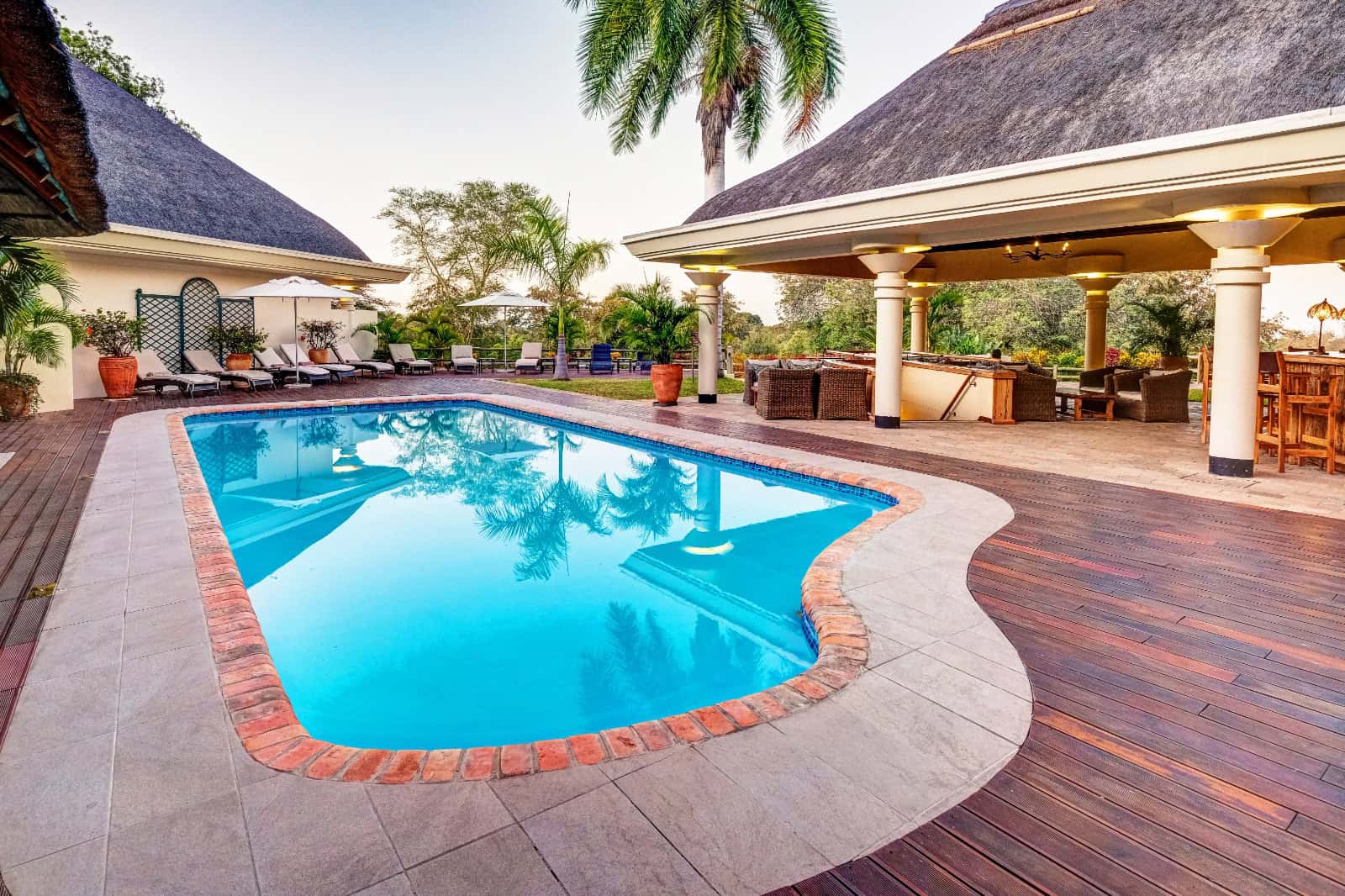
Just eight minutes on foot from Victoria Falls National Park and on the edge of Zambezi National Park, Ilala Lodge puts you close to the heart of it all.
Whether you’re coming for the Falls, the wildlife, the history or the adventure, we’ll give you a comfortable place to return to when the day’s excitement is over.
Browse our rooms and get in touch with our friendly reservations team at onlinereservations@ilalalodge.com to book your stay. Alternatively, you’re welcome to make use of our online booking platform to secure your own dates.